Driveway cleaning in Virginia removes oil stains, algae, tire marks, and winter residue that weaken concrete and asphalt. In 2026, professional service typically costs $120–$350. This guide explains pricing, cleaning methods, stain prevention, and the best time to schedule service.
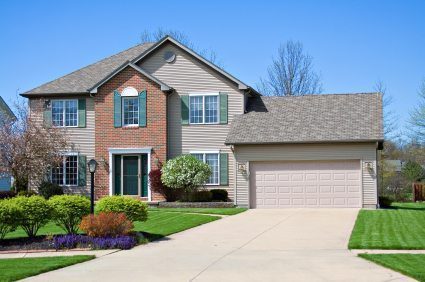
When you pull into your driveway after a long day, it quietly sets the tone for your entire home. If it’s stained, dull, or covered in grime, it affects curb appeal more than most homeowners realize. In Virginia, driveways deal with humidity, pollen, rain, snow, and vehicle traffic year-round. Over time, oil spots, algae, and dirt sink deep into concrete and asphalt.
This guide explains how driveway cleaning works, what it costs in 2026, and why regular maintenance can prevent long-term surface damage.
Why Driveways Get Dirty Faster in Virginia
Virginia’s climate creates the perfect conditions for buildup. Moisture encourages algae growth, while falling leaves and pollen leave stains behind. Add vehicle fluids and tire marks, and the surface starts to darken unevenly.
Most homeowners try sweeping or rinsing with a garden hose. That may help briefly, but it doesn’t remove embedded grime. Professional pressure washing reaches deep into surface pores, lifting contaminants that basic cleaning can’t touch.
Common causes of driveway discoloration include:
- Oil and transmission fluid leaks
- Algae and mildew growth
- Rust stains from metal objects
- Tire marks and road residue
- Winter salt and de-icing chemicals
Left untreated, these stains don’t just look bad they can weaken the surface over time.
How Professional Driveway Cleaning Works
Driveway cleaning isn’t just about spraying water at high pressure. A proper service starts with surface inspection, especially checking for cracks or damaged sections.
Professionals typically:
- Pre-treat oil and heavy stains with safe degreasers
- Use commercial-grade surface cleaners for even washing
- Adjust pressure levels based on concrete or asphalt type
- Rinse thoroughly to prevent streaking
For concrete, controlled pressure removes deep stains without etching the surface. For asphalt, lower pressure prevents loosening aggregate. The result is a noticeably brighter, cleaner driveway without surface damage.
How Much Does Driveway Cleaning Cost in 2026?
Pricing depends on driveway size, condition, and stain severity. In Virginia, most residential jobs fall within a predictable range.
|
Driveway Size |
Average Cost (2026) |
Best For |
Notes |
|
Small (1-car) |
$120–$180 |
Light stains |
Basic cleaning |
|
Medium (2-car) |
$180–$250 |
Moderate buildup |
Most common size |
|
Large / 3-car+ |
$250–$350 |
Heavy staining |
Oil + algae treatment |
Heavily stained surfaces may cost more due to specialized degreasing treatments.
Compared to concrete replacement (which can exceed $5,000), routine cleaning every 12–18 months is far more affordable.
Pressure Washing vs. DIY Cleaning
Many homeowners consider renting a pressure washer. While that can remove surface dirt, improper use often leads to uneven lines, surface etching, or incomplete cleaning.
DIY cleaning risks include:
- Striped or patchy finish
- Damage from excessive pressure
- Incomplete oil stain removal
- Water pooling in cracks
Professional driveway cleaning uses commercial equipment designed for uniform surface coverage. The difference is visible immediately smoother appearance, no streaking, and deeper stain removal.
Common Driveway Stains and How They’re Treated
Different stains require different approaches. Using only water won’t remove everything.
Here’s how common issues are handled:
- Oil Stains: Treated with degreasers before pressure washing
- Rust Marks: Specialized rust removers break down iron deposits
- Algae & Mildew: Soft chemical treatment eliminates organic growth
- Tire Marks: High-heat surface cleaning lifts rubber residue
Treating stains correctly prevents them from returning quickly.
When Should You Schedule Driveway Cleaning?
Most Virginia homes benefit from driveway cleaning every 12 to 18 months. However, certain conditions may require more frequent service.
You may need cleaning sooner if:
- Your driveway is heavily shaded
- You notice green or black algae forming
- Oil spots are spreading
- Winter salt residue remains visible
Early spring and early fall are ideal times for service, when temperatures are stable and surfaces dry properly.
Why a Clean Driveway Matters More Than You Think
A freshly cleaned driveway doesn’t just improve appearance. It can increase perceived property value and reduce long-term repair risks.
Benefits include:
- Improved curb appeal
- Reduced surface deterioration
- Lower slip risk from algae
- Extended lifespan of concrete or asphalt
It’s one of the simplest upgrades that makes your home look better immediately.
Get Premium Driveway Cleaning in Virginia
Oil stains, algae buildup, and winter salt can damage your driveway and reduce curb appeal. Envirowash Inc provides professional driveway cleaning with safe pressure control and proven stain treatment methods for long-lasting results.
Driveway Cleaning FAQs
How long does driveway cleaning take?
Will pressure washing remove old oil stains completely?
Is driveway cleaning safe for cracked concrete?
Can cleaning prevent driveway cracking?